
Taking Inspiration From Clay
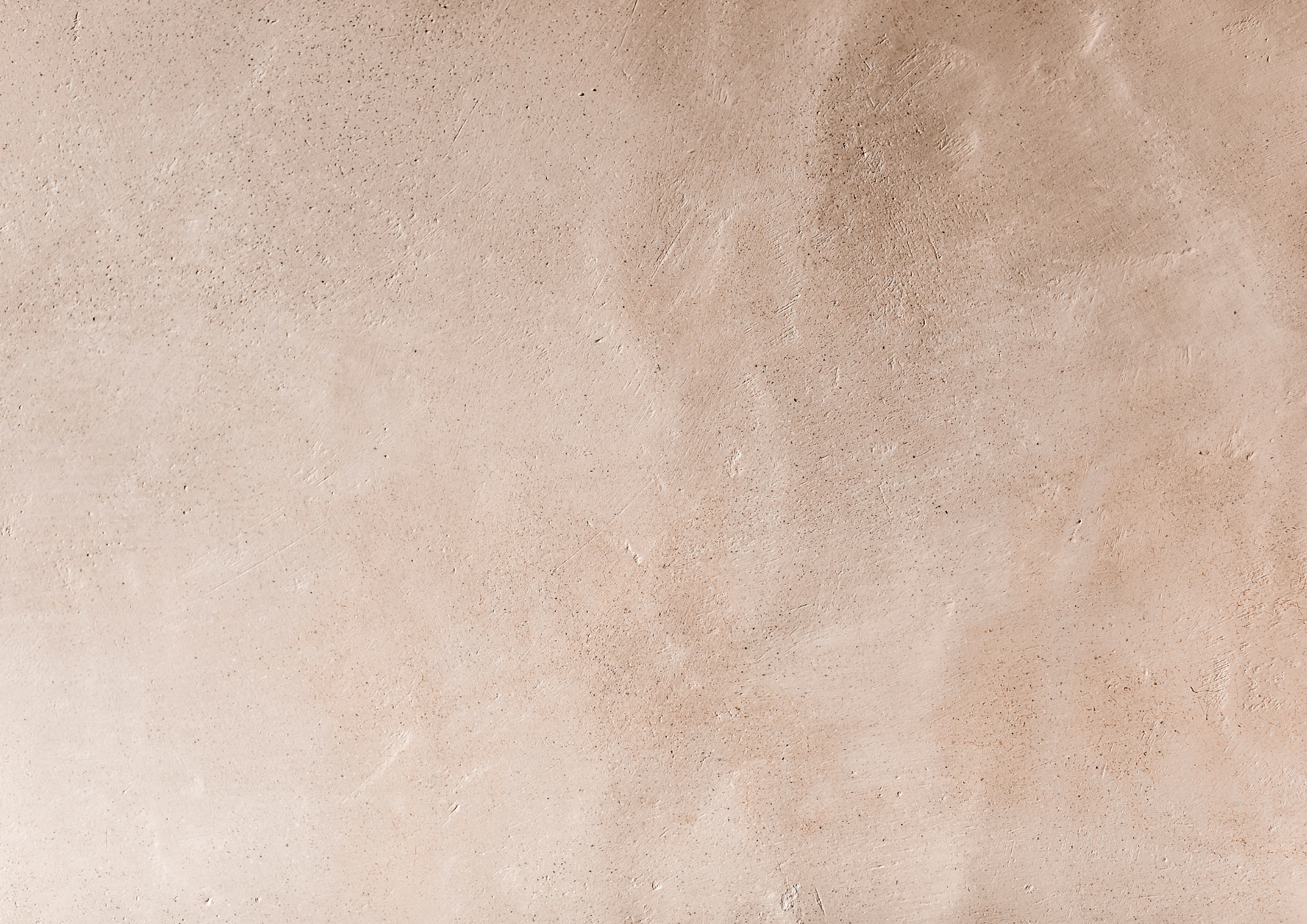
At clodee, our designs take inspiration from the natural material of clay
Clay is a natural, earthy material that has been used by humans for thousands of years, particularly for pottery, sculpture, and construction. It’s both practical and symbolic, often evoking a sense of rawness, grounding, and connection to the earth.
Key Characteristics of Clay:
Texture: Clay has a smooth, malleable texture when wet, but it hardens over time or with heat, making it versatile for shaping. The tactile quality of clay often gives it an organic, earthy feel.
Colour: Naturally, clay comes in a variety of warm, earthy tones—such as brown, reddish-brown (like terracotta), beige, and pale yellow. The colour comes from the minerals and iron content in the clay. When fired, it can range from matte to glossy depending on how it’s treated.
Connection to Nature: Clay is often associated with the earth itself, as it’s formed over thousands of years from the weathering of rocks and minerals. It’s a symbol of the natural world—earthy, solid, and raw, yet capable of being shaped into something functional or beautiful.
Symbolism:
Creation and Transformation: Clay represents both the primal and the transformative. It starts as a formless, malleable substance, but when shaped and fired, it becomes something lasting—whether it’s a piece of pottery, a sculpture, or a brick.
Rootedness and Grounding: As a material that comes from the earth, clay symbolizes stability, grounding, and connection to nature.
Simplicity and Raw Beauty: Unlike manufactured materials, clay’s simplicity and natural imperfections often give it an organic, authentic appeal.
Historical Significance: Clay has been used by various cultures to create art, tools, and functional items. It's a symbol of craftsmanship and tradition, representing the hands-on, intentional work that connects people to their environment.
As a Design Element:
When it comes to fashion or branding, clay might evoke the idea of timelessness, elegance, and a raw, understated beauty. It connects the wearer to the earth, offering a grounded, elemental vibe, while also reflecting a sense of transformation (as clay can be molded into art). It's also a neutral base—like the earth itself—allowing other elements, like color or texture, to shine.