
Care Guide
Sustainable Fabric Care Guide
Every small action—from washing less to using eco-friendly detergents—contributes to a more sustainable future, proving that how we care for our clothes is just as important as how they're made. Together, we can make a meaningful difference in creating a more conscious, eco-friendly world.
TENCEL (LYOCELL) CARE:
Tencel is a sustainable fabric made from wood pulp, usually from eucalyptus trees, which is processed using a closed-loop system that recycles water and solvents. It’s soft, breathable, and biodegradable.
Washing: Hand wash or machine wash on a gentle cycle with cold or lukewarm water (max. 30°C / 85°F). Use a mild detergent, preferably one that is eco-friendly and free from harsh chemicals.
Drying: Tencel fabrics should not be tumble dried as it can damage the fibers. Instead, lay flat to air dry or hang to dry in a shaded area. Avoid direct sunlight, as it can cause fading.
Ironing: If needed, iron on a low to medium heat setting while the garment is still slightly damp or use a steam iron.

SEACELL CARE:
SeaCell is made from seaweed and cellulose fibers, offering a unique blend of sustainability and softness. It’s naturally antimicrobial, breathable, and gentle on the skin.
Washing: Hand wash or machine wash on a gentle cycle with cool water (max. 30°C / 85°F). Use a mild, gentle detergent without bleach or fabric softeners.
Drying: Air dry flat to maintain the fabric's natural properties. Avoid using a tumble dryer, as high heat can damage the fibers and affect their beneficial properties.
Ironing: If necessary, iron on low heat, and only when the garment is slightly damp to help prevent wrinkles.
RECYCLED COTTON CARE:
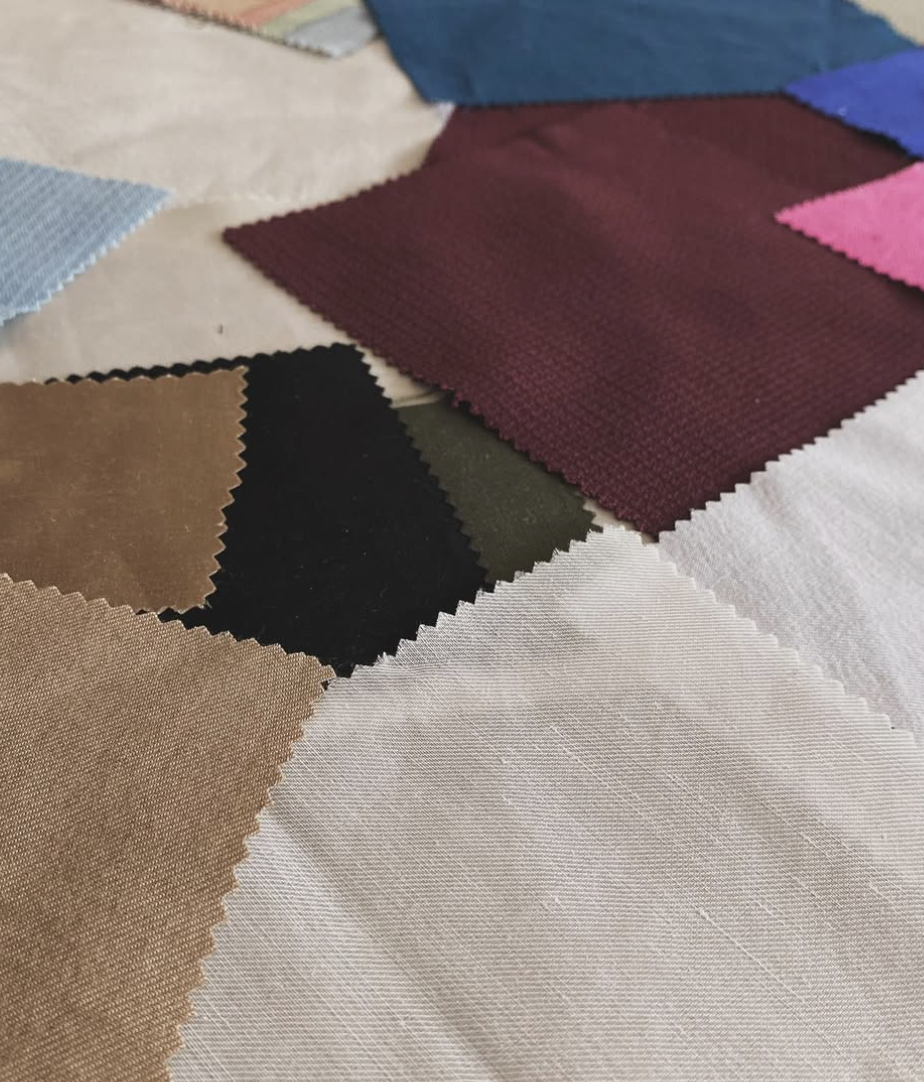
Recycled cotton is made from cotton fabric waste or post-consumer cotton garments that are repurposed and spun into new yarns, reducing the need for virgin cotton and minimising waste.
Washing: Machine wash in cold water (max. 30°C / 85°F) to avoid shrinking. Use a gentle, eco-friendly detergent to protect the fabric and preserve its colours.
Drying: Avoid tumble drying, as it can cause shrinkage and damage the fibres. Instead, air dry flat or hang to dry in a shaded area to maintain the fabric's integrity.
Ironing: Recycled cotton is generally prone to wrinkling. Iron on a medium heat setting, ideally when the garment is still slightly damp, or use a steam iron for best results.
Storage: Store your recycled cotton garments in a cool, dry place, away from direct sunlight to prevent fading. If storing for longer periods, use breathable fabric bags or containers to avoid moisture buildup.

CUPRO CARE:
Cupro is a sustainable fabric made from regenerated cellulose fibres, typically derived from cotton linter, which are processed to create a silky, smooth, and breathable material.
Washing: Hand wash or machine wash in cold water (max. 30°C / 86°F) to avoid damage. Use a mild, eco-friendly detergent to protect the fabric’s delicate fibres and preserve its natural sheen.
Drying: Avoid tumble drying as high heat can cause shrinkage and damage. Instead, air dry flat or hang to dry in a shaded area to prevent fading and maintain the fabric’s smooth texture.
Ironing: Cupro can wrinkle, so iron on a low to medium heat setting. It’s best to iron while the garment is still slightly damp or use a steam iron to remove wrinkles. Always use a pressing cloth to protect the fabric's sheen.
BAMBOO FABRIC CARE:
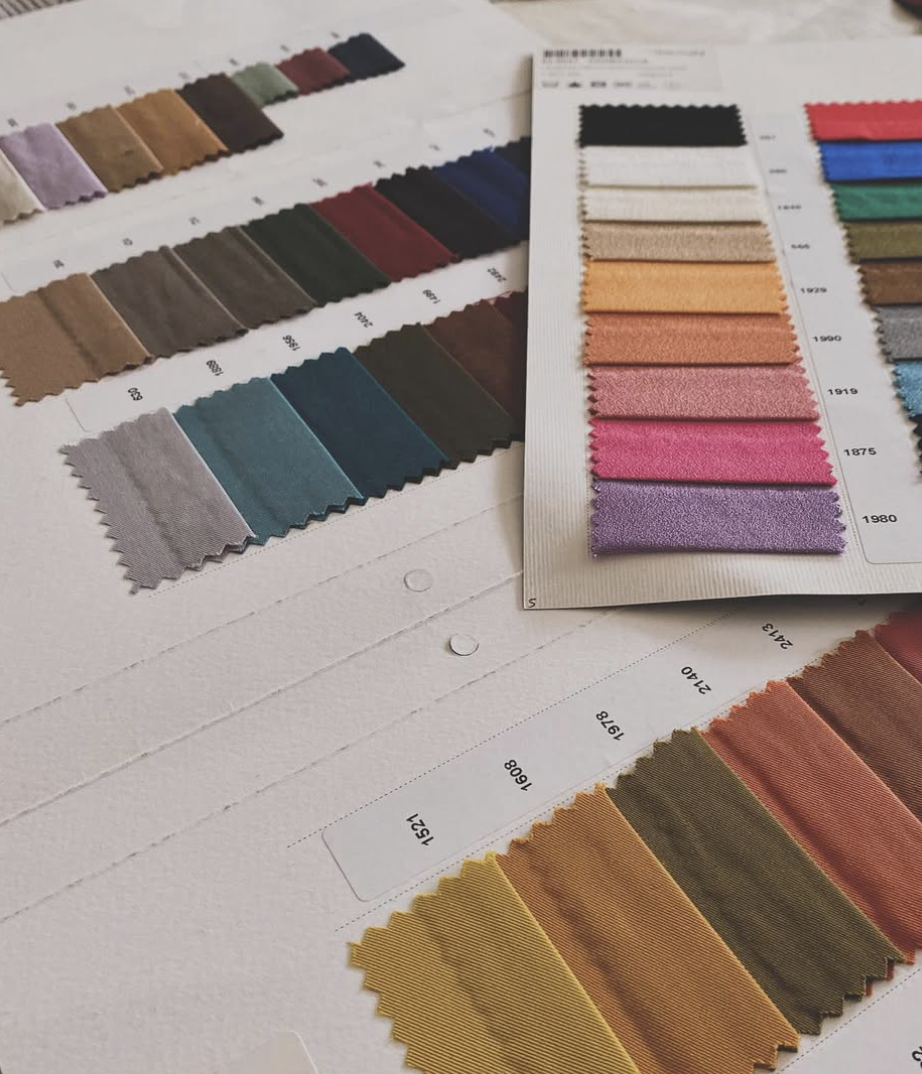
Bamboo is a sustainable and eco-friendly fabric made from the pulp of bamboo plants. It’s naturally soft, breathable, antibacterial, and biodegradable, making it ideal for sensitive skin and everyday wear.
Washing: Hand wash or machine wash on a gentle cycle using cold or lukewarm water (max. 30°C / 85°F). Use a mild, eco-friendly detergent that is free from harsh chemicals, bleach, or fabric softeners, as these can weaken the fibers.
Drying: Bamboo fabrics should not be tumble dried, as the heat can cause shrinkage or damage. Instead, lay the garment flat to dry or hang it in a shaded area away from direct sunlight to preserve its shape and colour.
Ironing: If ironing is necessary, use a low heat setting. For best results, iron while the fabric is still slightly damp, or use a steamer to remove wrinkles gently.
SILK CHIFFON CARE:
Silk chiffon is a delicate, luxurious fabric made from natural silk fibers. It is lightweight, sheer, and soft with a beautiful drape. Due to its fine weave and natural origin, it requires careful handling to maintain its texture and appearance.
Washing: It’s best to hand wash silk chiffon in cold water using a gentle, pH-neutral detergent specifically designed for silk or delicates. Avoid wringing, soaking, or rubbing the fabric. If machine washing is necessary, use a mesh laundry bag and select the delicate cycle with cold water.
Drying: Do not tumble dry. After washing, gently press out excess water using a clean towel—do not twist or wring. Lay flat on a towel to air dry or hang to dry away from direct sunlight, which can cause discoloration and weaken the fibers.
Ironing: Use a low heat setting on your iron, ideally with the silk setting enabled. Always iron on the reverse side while the fabric is still slightly damp, or place a pressing cloth between the fabric and the iron to avoid direct heat. A steamer can also be used for a gentler finish.

General Tips for Sustainable Fabrics:
Avoid Bleach: Always avoid bleach or harsh chemicals, as they can break down the fibres and contribute to environmental harm.
Wash Less: Sustainable fabrics tend to hold up well over time. Consider washing your garments less frequently to preserve both the fabric and the environment.
Eco-Friendly Detergents: Use gentle, plant-based detergents that are free from synthetic fragrances and dyes to preserve the integrity of the fabric and minimise environmental impact.
Repairs: Rather than discarding damaged garments, consider repairing them. This is not only more sustainable but also extends the life of your clothing.
By following these care instructions, you can ensure your sustainable fabrics stay in top condition and last longer, reducing waste and supporting your eco-conscious lifestyle.
Need more help?
If you have a question we haven’t answered or would like to speak to us directly, please get in touch.